Choosing Your First Crypto Wallet: A No-Regret Checklist
Picking your first wallet rattles more beginners than picking an exchange does, and for a fair reason. If you sign up with the wrong exchange, you can switch later. If you install a fake wallet, copy a seed phrase the wrong way, or trust the wrong “support agent”, the loss is often permanent. Instead of throwing ten wallet names at you, this guide asks four questions in order. Answer them honestly and your shortlist shrinks to two or three real candidates.
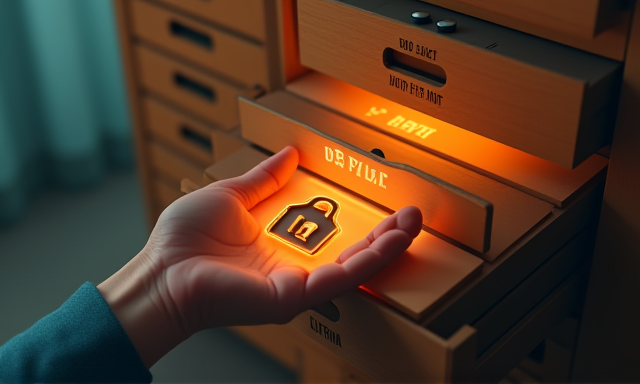
Get the vocabulary right first
People mix up “account” and “wallet” all the time, but on chain they are different animals.
- An account lives on an exchange. Your balance shows under your name, but the private key belongs to the platform. You are logging in to their database.
- A wallet is a piece of software or hardware that you generate and back up yourself. The private key only exists with you, and no one else can sign on your behalf.
The first model is custodial. The second is self custody. The label sounds dry, but it decides who is responsible when things break. If “private key” still feels abstract, skim keys and addresses explained first.
Question 1: What will you actually do with it
Don’t ask “which is best” yet. Ask what you intend to do:
- Just want to hold BTC or ETH long term and not touch it — lean toward a hardware cold wallet plus a simple read-only app.
- Plan to use DApps, play on-chain games, hunt airdrops — a clean browser extension plus a mobile wallet works, but never park large funds there.
- Only occasionally send money to friends — your exchange’s internal transfer or a mainstream mobile wallet is enough.
- Tiny amount, pure learning — try a free open-source wallet, push a small transaction through, feel the signing flow.
Use case first. Brand later.
Question 2: Can this brand actually be trusted
This is where beginners fall hardest. They download a near-identical fake app, or click the top search ad that happens to be a phishing page. A few hard tests help:
- Track record: at least three years old, survived a bull and bear cycle, still shipping updates.
- Code transparency: open source isn’t a guarantee of safety, but a small shop with closed source and aggressive trust-me marketing deserves suspicion.
- Independent audits: the audit report should be linkable on their site, not just a logo on the homepage.
- Community sentiment: search the brand name on Reddit and X together with “scam” or “hacked” and read what people lost.
- App store presence: being on a store isn’t proof of safety, but a wallet that only ships as an APK from a random site is a major flag.
Don’t trust influencer rankings. Fake wallets are one of the most common scams in the space; fake wallet apps and extensions breaks down the patterns and is worth ten minutes before you install anything.
Question 3: Does it actually support your chains
A wallet is not a universal remote. Each one supports a finite set of chains:
- If you only buy bitcoin, a bitcoin-native wallet is cleaner; extra features just expand your attack surface.
- If you live mainly on Ethereum and EVM L2s, you need a wallet that handles EVM multi-chain switching.
- If you want exposure to Solana, TON, or Sui, find a wallet built for that ecosystem rather than forcing it into a generalist app.
Rule of thumb: the more chains a wallet claims to support, the more code complexity it carries. As a beginner, two focused wallets often beat one that tries to swallow the entire universe.
Question 4: Custodial or self-custodial for this stage
This is the question that paralyses beginners. The honest answer is that it depends on where you are:
| Situation | Custodial fits better | Self custody fits better |
|---|---|---|
| Amount | Pocket money | Medium to large stash |
| Activity | Frequent deposits and withdrawals | Park it and forget |
| Learning appetite | Not ready for seed phrases yet | Willing to learn backup and signing |
| Risk attitude | Accepts platform risk | Accepts personal responsibility |
| Device hygiene | Shared or messy device | Dedicated clean device |
Custodial isn’t risk-free either — platforms have collapsed, frozen withdrawals, and leaked KYC data. Exchange safety has the full list. There is no perfectly safe side, just a choice that matches your current stage.

A starter stack that works for most beginners
Stitching the four answers together, the combo that fits most newcomers looks like this:
- Learning phase (small amount, mostly curious): exchange account plus one open-source mobile wallet. Get the feel.
- Growing phase (real money starts moving in): keep only what your exchange activities require on the exchange, move the rest to a self-custodial software wallet.
- Holding phase (amount you actually lose sleep over): add a mainstream hardware wallet as your main vault and keep the software wallet for daily change.
Before you upgrade to hardware, plan your seed phrase backup. The device is a plastic shell without it. Seed phrase backup methods covers the usual choices.
Your first week with the wallet
- Recheck the download link from the official site or store, not from the top search result.
- Run the whole flow with a tiny test amount — receive, send, pay gas.
- Write the seed phrase offline on paper, twice, and store the copies in different physical spots. No photos. No cloud notes.
- Add basic security software on your phone and computer and disable extensions you don’t need.
- Make one personal rule: any “support” that messages you first is fake. When in doubt, sleep on it.
If you want all of these as one tidy habit list, see basic crypto security habits.
Common traps to dodge
- Thinking high download counts equal authenticity — fake apps boost numbers too. Trust the official site’s listed link, not the chart.
- Treating a notepad file as backup — plaintext seed phrases on a connected device are a ticking clock.
- Believing cold equals invincible — losing the seed, buying a tampered device, or signing a malicious approval all defeat a cold wallet.
- Hoping a wallet switch will fix bad habits — the wallet is a tool. Your habits and your discipline decide outcomes.
Wrapping up
Choosing your first wallet is really about drawing your own boundaries. Which part of your money sits with a platform, which part rides on your own shoulders, and which part shouldn’t be on chain at all. Walking the four questions — use case, trust, chain support, custody model — beats chasing the wallet of the month every time. A wallet won’t make you rich, but picking the right one stops several silly losses. Make a small first transfer, see the flow, and the rest becomes a lot less scary than the internet makes it sound.
This article is for education only and is not financial advice. Crypto is volatile and risky — only ever risk what you can afford to lose.