How to Back Up a Seed Phrase Safely: Paper, Metal, and Split Methods Compared
A seed phrase is the master key to all your assets: lose it and assets are gone for good; leak it and assets can be drained anytime. So “how to back up a seed phrase,” a seemingly trivial matter, is actually the part of self-custody most worth taking seriously. Different backup methods are essentially a trade-off between two goals — “prevent loss” and “prevent leakage.” There’s no single right answer, only what fits you.
A backup must guard against two things at once
Before comparing methods, get clear on what a good backup must withstand:
- Loss/destruction: fire, water, moldy or faded paper, device damage, or just misplacing it — any of these can permanently cost you access.
- Leakage/being seen: family stumbling on it, a visitor seeing it, a photo uploaded, a break-in search — anything that lets a third party see the full phrase exposes your assets.
The hard part is these two goals often pull against each other: more and more visible backups are harder to lose but easier for others to see. A good plan finds the balance that fits your situation.
Paper: simplest, but most fragile
The most common approach is writing the phrase on paper by hand. Its upsides: zero cost, no barrier, fully offline — nearly every wallet recommends this when generating a seed.
But paper’s downsides are obvious: fire, water, damp, fading, being tossed or found. If you just scribble it on a sticky note in a drawer, it’s both easy to destroy and easy to spot. Paper is fine as a starting point, but for larger amounts, upgrade or layer on more durable methods.
Metal plates: built for durability
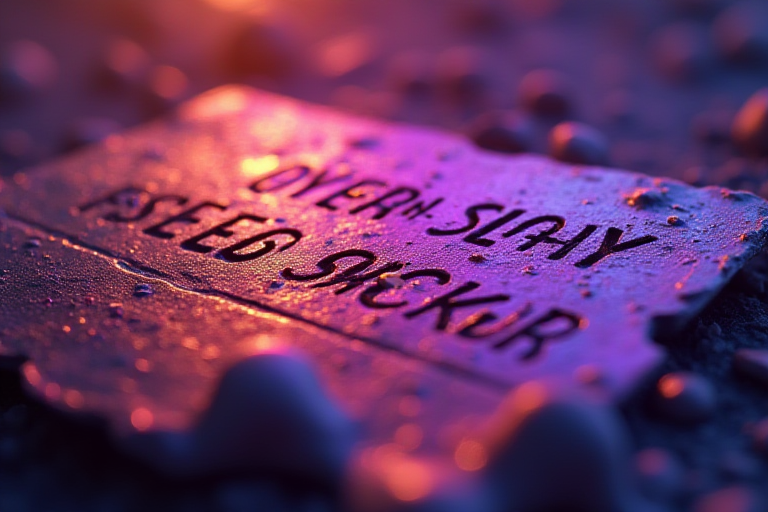
To solve paper’s fragility, metal seed backups appeared — fixing the words onto steel with plates, letter tiles, or a stamping tool. The core advantage is being fire-, water-, and corrosion-resistant, surviving most physical disasters, suited to long-term, larger holdings.
The cost: a bit of money to buy, and slightly more effort than writing on paper. But for serious holders this is usually well worth it. Note that metal solves “prevent destruction,” not “prevent being seen” — it should be paired with “stored in a hidden, secure place.”

Split storage: break the risk apart
There’s also an advanced idea: split the backup into multiple parts stored separately. A simple common version is keeping a full backup in different secure locations (home and a bank safe deposit box), using multi-site redundancy to prevent a single point of loss.
More advanced is seed splitting — using a specific scheme to break the phrase into several shares, requiring “several shares together to recover,” with no single share revealing the full info. This way, even if one spot is found, the whole thing isn’t directly leaked. The cost: a more complex scheme with higher operating demands; beginners rushing into it may lock themselves out by making a mistake.
How to choose among them
Put side by side and the thinking gets clearer:
| Method | Anti-destruction | Anti-peek | Cost/difficulty | For whom |
|---|---|---|---|---|
| Paper | Weak | Depends on hiding spot | Very low | Small amounts, starting out |
| Metal plate | Strong | Depends on hiding spot | Medium | Long-term, larger amounts |
| Multi-site redundancy | Strong | Medium | Medium | Those fearing single-point loss |
| Seed splitting | Strong | Strong | High | Advanced, large, skilled |
You needn’t do it all at once — upgrade gradually with your asset size: start with paper, switch to metal as amounts grow, and consider multi-site redundancy. This “match protection to amount” logic aligns with risk management and the idea that a cold wallet isn’t all-powerful.
A few common backup mistakes
Many stumble not for lack of a backup but because the backup method itself was a landmine:
- Screenshot on phone/computer: snapping a photo for convenience — but once the device is compromised or photos auto-sync to the cloud, the phrase leaks with it. One of the most common and fatal mistakes.
- Saving in notes, chats, or email: these are all online, like hanging your master key on the internet.
- Only one copy in an obvious spot: a drawer, inside a book, a wallet pocket — both destroyable by fire/water and findable by visitors.
- Never verifying the backup: a wrong or missing word, discovered only when you actually need it — too late.
- Outsmarting yourself with “clever encryption”: some invent a substitution scheme to encode the phrase, then can’t decode it themselves later, locking themselves out.
What these share: either the phrase touches the internet (leakage prevention fails) or the backup is unreliable (destruction prevention fails). Avoiding them matters more than chasing some advanced scheme.
A few universal bottom lines
Whatever method you use, don’t break these:
- Always offline: never photograph, cloud-store, chat, or type the seed into any webpage. Once it touches the net, even the best physical backup is moot.
- Tell no one: including those claiming to be support or technical staff.
- Verify it yourself: after backing up, test restoring in a wallet to confirm the writing is correct.
- A spot both safe and rememberable: hidden so well that even you forget where is the same as losing it.
A final note
Backing up a seed phrase is essentially preparing for “just in case”: if the device dies, if the phone is lost, you can still recover everything from this backup. So its standard is one line — make “you can recover” as solid as possible, while making “others can see it” as hard as possible. Choose methods around these two points and upgrade by amount, and you won’t stumble on this most basic yet most fatal matter.
This article is educational and does not constitute investment or security advice. The seed phrase is the sole proof of your assets; store it offline, redundantly, and secretly.
This article is for education only and is not financial advice. Crypto is volatile and risky — only ever risk what you can afford to lose.