What To Do If You Receive A Fake Ledger Or Trezor Letter In The Mail: The 2026 Postal Phishing Surge
Starting late last year readers began emailing me photos of paper letters that arrived through national postal services. The envelopes carry the soft blue shield logo of Ledger, the paper is 100gsm matte stock common in European mailings, and inside is a multi-color “security notice” instructing you to scan a QR code, install a new version of the desktop tool, and enter your “existing recovery phrase” to complete an “account check.” Postmarks come from France, Czechia, Estonia. The seals, stamps and watermarks look genuine. The reason this is happening now is a five year old wound: the 2020 Ledger customer database leak permanently exposed roughly 270,000 buyers’ names and home addresses, and attackers have finally hit the window where converting that list into stolen funds pays off.
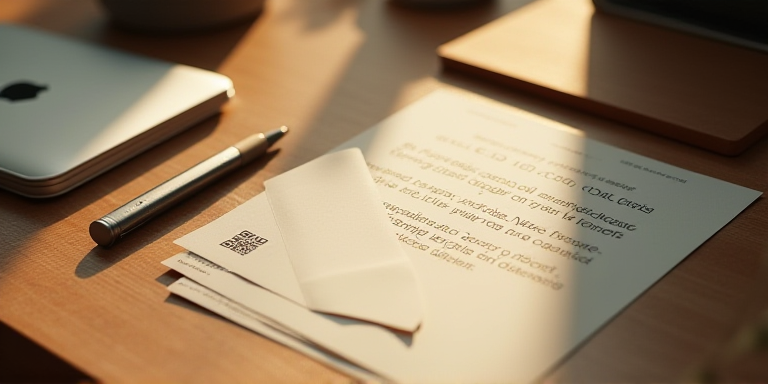
Why physical letters became a 2026 attack vector
Looking at the samples readers have sent me, attackers chose paper for three reasons.
- Bypassing inbox filters. Gmail and Outlook anti-phishing models block almost every email mentioning Ledger or Trezor. Paper sidesteps the entire defense stack.
- Borrowing real-world legitimacy. Most physical letters a person receives in their lifetime are genuine: bank statements, tax notices, government documents. Paper carries an implicit trust premium.
- Targeting non-technical family members. The wallet holder may be security-aware. Their spouse or parent opening the mail will often follow the instructions.
A side by side comparison helps.
| Dimension | Email phishing | Postal phishing |
|---|---|---|
| Delivery rate | Heavily filtered | Effectively 100% |
| Recipient trust | Immediate suspicion | Immediate trust |
| Attacker cost | Near zero | 2-5 USD per letter |
| Targeting | Mass blast | Precise, higher conversion |
Attackers happily pay the postage because the names on this list are confirmed hardware wallet owners. The conversion rate dwarfs blasted email by an order of magnitude.
Seven signs the letter is fake
If a letter matches two or more of these, treat it as fraud.
- It asks you to scan a QR code to download a new version of the desktop tool. Real Ledger Live and Trezor Suite updates ship only through the official websites or the in-app updater.
- It mentions entering your recovery phrase, seed, or 12-24 words. No legitimate scenario ever asks for the full seed.
- It includes a “new device” or “backup card” with a seed already printed on it. Genuine hardware wallets generate the seed inside the device on first boot.
- It threatens a deadline like “account frozen if not upgraded within 14 days.”
- The return address country looks off, or the postal code does not match the company’s stated headquarters.
- The QR code resolves to a recently registered domain, an IPFS gateway, or a Tor hidden service.
- The letter contains no standard compliance disclaimer stating the vendor never asks for your seed. Real vendors now repeat this line obsessively.
If you already scanned and installed, follow this order
This is a worst-case containment flow.
- Disconnect from the network immediately. Turn off Wi-Fi on the affected device.
- Do not connect the old hardware wallet again.
- Use a clean device and either an unused backup seed or a brand-new hardware wallet to create a fresh address.
- Move every asset from the old addresses to the new ones. If you initiate from a separate device, drainer scripts on the compromised machine cannot intervene.
- Wipe the old setup: reinstall the operating system, factory reset the hardware wallet.
- Audit every approval using the wallet self-audit checklist.
- Rebuild your backup strategy using the hardware wallet seed backup methods.
If you only received the letter but have not acted on it, photograph the envelope and the contents, then submit them to the vendor’s official phishing report channel. It helps every other user on that list.
Three conversations to have at home
Postal phishing is dangerous precisely because it does not require the victim to be technical. The household member most likely to comply is often not the wallet holder.
- Pin a small note above your mailbox: any paper letter claiming to come from an exchange or hardware wallet vendor must be photographed and sent to me before any action is taken.
- Drill the rule with everyone in the house: a seed phrase lives only on paper, metal plates, or inside a safe. It never travels through a screen, a keyboard, or a QR code “verification.” Cross-reference the hardware wallet phishing vectors guide.
- If anyone in your home bought a hardware wallet around 2020 from the official store, assume your home address is on the leaked list and set the household security baseline at maximum.
Why high-fidelity physical artifacts are the 2026 weapon
Most of the security conversation this year is about deepfake video, signature phishing, and cross-chain drainers. The clever shift is that attackers know these are over-discussed and user vigilance is rising. So they reroute to paper, the medium people instinctively trust. Bitdefender’s Q1 2026 report flagged a 9.4x increase in physical mail phishing samples targeting crypto holders over the prior six months. The pattern is consistent: attackers move fastest into channels where their cost is lowest and the defender’s cost is highest.
Turn one suspicious letter into a full household drill
Every fake letter is a free red team exercise. Use it to walk through every safety agreement in the home. Where is the seed phrase. Is the backup complete. Does the family know who to ask before responding to a strange letter. Are the assets still in addresses you control. Once you complete that drill, even the next paper attack with thicker stock and crisper printing will be triaged as junk mail before the envelope is opened.
Attackers bet on your panic. You stay calm, and they lose.
This article is for education only and is not financial advice. Crypto is volatile and risky — only ever risk what you can afford to lose.