Why A Zero Dollar Transfer In Your Wallet Is The Most Underrated Threat Of 2026
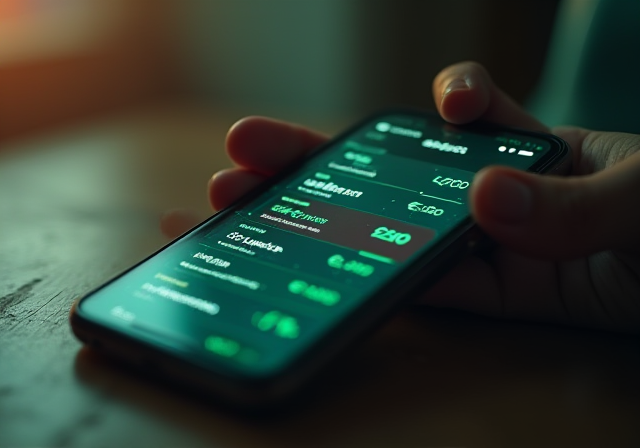
One morning your wallet shows a new “0 USDT” incoming line from an address that looks almost exactly like one you transacted with yesterday. Two thoughts will cross your mind: someone is probing me, or it does not matter because no money moved. The second thought is the dangerous one. Hours later, you may copy that lookalike from your history, paste it into your next transfer, and watch your money go to the attacker. The joint Q1 2026 numbers from Chainalysis and Shield are hard to shrug off: on BNB Chain alone the network saw more than one hundred million zero-value transfer attacks in a single quarter, with the cross-chain total above 270 million. This is now the dominant entry move for address poisoning.
What address poisoning actually is
In one sentence: an attacker generates vanity addresses whose first and last characters match yours, then uses zero-amount transferFrom calls to inject those addresses into your transaction history. The next time you copy from history, you copy the decoy.
It works because wallet interfaces shorten addresses to “0x1234…abcd” form. Match the first six and last four characters and the eye cannot tell. The attacker borrows the cognitive shortcut where humans trust what they just saw.
Why the attack exploded in 2026
Three forces collided.
- Vanity address generation is nearly free. A consumer GPU can produce hundreds of thousands of “first-six last-four” matches per day.
- Zero-value transfers are scriptable at scale. A single script can broadcast millions of decoys across the entire active address space.
- On-chain activity rose sharply. Memecoin volume and stablecoin settlements mean ordinary users paste addresses more often, so the hit rate per decoy goes up.
The economics make the attacker’s behavior obvious.
| Step | Attacker cost | Expected return |
|---|---|---|
| Generate one lookalike | under one cent | 0 |
| Send one zero-value transfer | a few cents in gas | 0 |
| Hit a single mistaken transfer | total cost still under one dollar | five to seven figures USD |
With economics this skewed, attackers will keep blasting millions of decoys per day even at a one-in-ten-thousand hit rate.
How zero-value transfers are technically possible
Beginners ask: I never approved them to move my assets, so how did “I” send 0 USDT to a stranger? The answer lives in ERC-20: anyone can call transferFrom(from, to, amount), and most ERC-20 contracts skip the allowance check when amount is zero. Nothing leaves your wallet, but the event is broadcast and lands in your history.
A related variant is fake-token poisoning: the attacker deploys a contract literally named USDT but with a fake contract address, then “sends” you hundreds of fake tokens so your history shows a large fictional inflow.
Daily defenses worth turning into habits
This short checklist is what I have lived by for two years.
- Never copy an address from transaction history. Always copy from the source the counterparty gave you through a verified channel.
- Send a tiny test transfer first on any meaningful amount. One USDT now buys you certainty for the next million.
- Use the address book in MetaMask, Rabby, OKX Wallet. Saved labels eliminate the paste step entirely.
- Compare full addresses, not the first six and last four. Ideally use the QR code or an ENS / SNS name.
- Hide zero-value entries or enable suspicious-token filtering. Rabby and Phantom support both natively.
- Before any meaningful transfer run through the wallet self-audit checklist and the ten-step large transfer checklist.
If you have already mis-sent funds
First, accept that on-chain transfers do not reverse, no matter how many support lines you call. Second, save the transaction hash and report it to the affected project, the receiving exchange, and law enforcement. Rare cases get frozen before laundering. Third, treat the loss as the cost of installing a permanent address book and ENS habit across every wallet you own.
Readers sometimes ask whether mis-sends count as “user error.” I refuse to frame it that way. The attacker bets on the one moment you are tired, distracted, or rushed. They send hundreds of millions of decoys precisely to buy that one second of inattention. Your job is to push that one second outside your routine.

A one-minute upgrade for tonight
If you finish this article and do nothing else, open your most-used wallet and add every counterparty from the last month to your address book with a clear human label. Next time you tap transfer, you will see “Cold storage” or “Binance deposit” instead of a string of 0x characters. That is the move address poisoning attackers cannot defeat. They cannot insert a brand new address into a whitelist you built yourself.
One minute of work tonight is the highest-leverage wallet upgrade you will do in 2026.
This article is for education only and is not financial advice. Crypto is volatile and risky — only ever risk what you can afford to lose.